Introduction
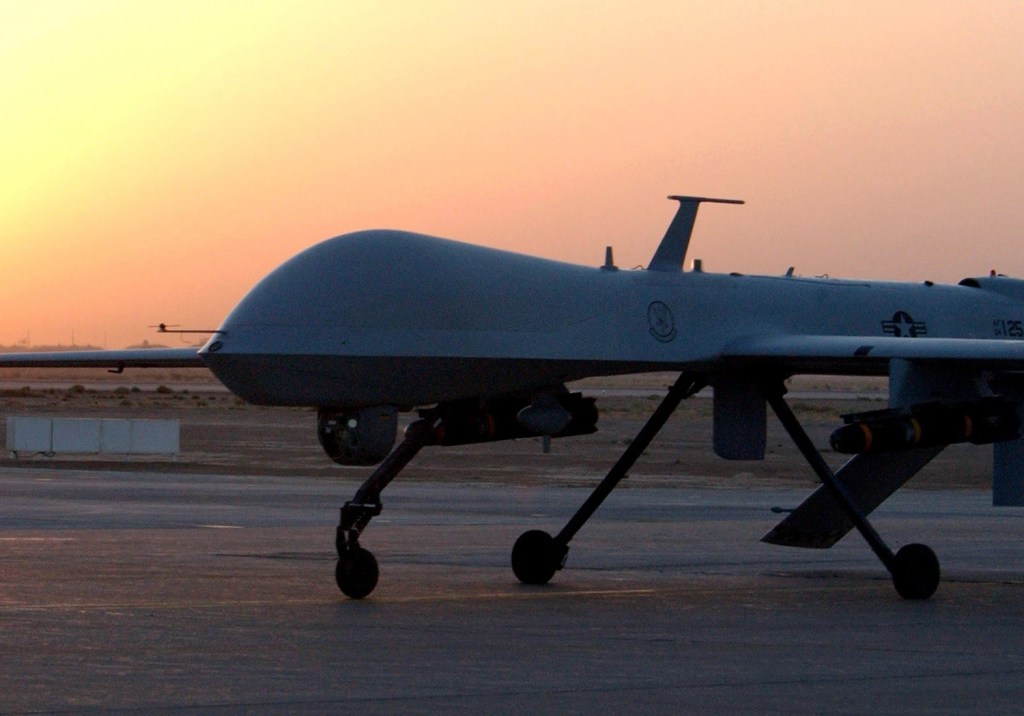
The MQ-1 Predator drone, a pioneering unmanned aerial vehicle (UAV), has redefined military strategy, surveillance, and combat operations since its debut in the 1990s. Developed by General Atomics Aeronautical Systems, this remotely piloted aircraft became a cornerstone of U.S. counterterrorism efforts, offering unprecedented real-time intelligence and precision strike capabilities. In this in-depth analysis, we explore the Predator’s evolution, technical innovations, operational milestones, ethical controversies, and its influence on the future of drone warfare—all optimized with high-impact SEO keywords like “military drone technology” and “Hellfire missile drone.”
Development and Evolution of the Predator Drone
The MQ-1 Predator emerged in 1995 as a joint project between the U.S. Air Force and CIA, initially designed for reconnaissance missions. Its ability to loiter over targets for up to 24 hours made it ideal for surveillance in conflicts like the Balkans. By 2001, upgrades enabled it to carry AGM-114 Hellfire missiles, transforming it into a lethal tool for targeted strikes against high-value targets in Afghanistan and Iraq.
Key Innovations:
- Transition from unarmed surveillance to armed combat UAV.
- Integration of secure satellite communication systems for global operations.
- Collaboration with ground units for real-time battlefield intelligence.
Technical Specifications: Engineering a Game-Changer
The Predator’s design prioritized endurance, stealth, and versatility:
- Wingspan: 55 feet | Max Speed: 135 mph | Range: 675 nautical miles.
- Payload: 450 lbs, including electro-optical/infrared cameras and synthetic aperture radar.
- Endurance: 24+ hours of continuous flight at up to 25,000 feet.
Its multi-spectral targeting system (MTS) provided high-resolution imagery, while satellite-linked data transmission enabled operators in Nevada to control missions worldwide.
Operational History: Redefining Counterterrorism
The Predator became synonymous with post-9/11 operations:
- Afghanistan (2001): Tracked Taliban forces and executed the first UAV-led missile strike.
- Iraq (2003): Supported ground troops with aerial reconnaissance and eliminated insurgent leaders.
- Yemen (2002): Historic strike against Al-Qaeda operative Ali Qaed Senyan al-Harithi.
By 2018, the U.S. retired the MQ-1 in favor of the MQ-9 Reaper, a faster, heavier UAV. However, Predators logged over 1 million flight hours, underscoring their reliability.
Strategic Impact and Ethical Controversies
The Predator’s legacy is a double-edged sword:
- Advantages:
- Reduced pilot risk in hostile zones.
- Precision strikes minimizing collateral damage (in theory).
- Criticisms:
- Civilian casualties: Over 300 non-combatant deaths reported (2010–2020).
- Legal debates over sovereignty violations and “extrajudicial killings.”
Experts argue the Predator normalized remote warfare, raising questions about accountability and the psychological toll on operators.
The Future of UAVs: From Predator to AI-Powered Swarms
While the MQ-1 is retired, its DNA lives on:
- MQ-9 Reaper: Enhanced payload (3,800 lbs) and 300+ mph speed.
- AI Integration: Autonomous targeting and drone swarming for coordinated attacks.
- Counter-Drone Tech: Nations investing in jammers and laser defenses.
Emerging debates focus on autonomous lethal systems and international regulations to govern their use.
SEO Keywords: “future of UAVs,” “AI-powered military drones,” “MQ-9 Reaper specs.”
Conclusion: The Predator’s Enduring Legacy
The MQ-1 Predator drone revolutionized modern warfare, blending surveillance and strike capabilities into a single platform. Despite ethical quandaries, its impact on military UAV technology is undeniable, paving the way for smarter, faster drones. As nations grapple with the ethics of autonomous warfare, the Predator remains a symbol of 21st-century military innovation.
 The Defense Front: Understanding the World of Defense
Leave a comment